

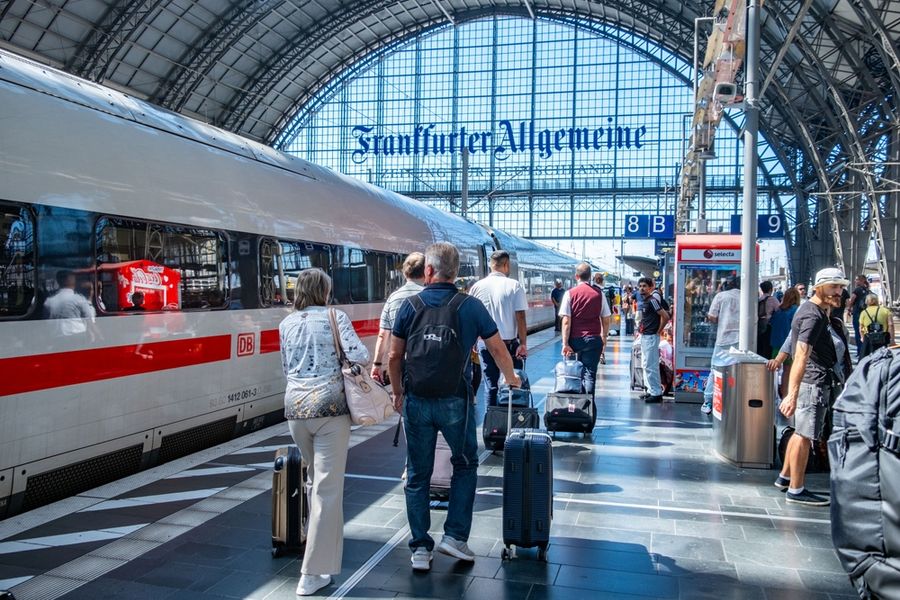
Traveling through Europe by train offers an enjoyable way to navigate historic cities, scenic countryside, and destinations across multiple countries. However, rail fares can vary considerably depending on when you book, which services you choose, and how you organize your itinerary. Without some planning, transportation expenses can quickly consume a substantial portion of your vacation budget. Fortunately, several practical strategies can help reduce costs. Understanding ticket options, rail passes, and regional services can make European train travel more affordable and manageable.
Book Long-Distance Train Tickets in Advance
One of the simplest ways to save money on European rail travel is to purchase tickets before departure. Many long-distance operators offer discounted fares with limited availability, meaning travelers who book earlier may have access to cheaper options.
For example, Germany's Super Saver Fare Europe offers discounted international journeys to destinations including Austria, Belgium, France, and the Netherlands. Depending on the destination, reservations may open six or twelve months before travel. However, these discounted tickets often have restrictions, including limited flexibility or no refunds.
For travelers with fixed itineraries, booking major journeys once travel dates are confirmed can reduce transportation expenses. Those who prefer spontaneous travel should compare the potential savings against the inconvenience of being committed to particular trains. Always review cancellation and exchange conditions before purchasing.
Compare Rail Passes With Individual Tickets
Rail passes can be convenient for travelers visiting several countries, but they aren't automatically the cheapest option. A pass may provide valuable flexibility while costing more than individually purchased tickets on a carefully planned itinerary.
For Americans, Eurail passes offer access to participating European rail networks. However, standard passes don't include every additional travel expense. Many high-speed and overnight services require separate seat reservations, which can increase the total cost.
Before purchasing a pass, list your intended journeys and compare their individual ticket prices with the relevant pass. Include mandatory reservation charges and consider how many days you'll actually spend traveling. A pass may suit an itinerary involving frequent long-distance journeys, while separate tickets may be more economical for a vacation centered on just two or three destinations.
Consider Regional Trains Instead of High-Speed Services
High-speed trains are convenient, but reaching a destination quickly isn't always worth the additional expense. Regional services can provide more economical alternatives, particularly for relatively short journeys or routes with several possible connections.
In France, for instance, travelers can compare conventional regional services with high-speed options when both are available. Low-cost OUIGO Train Classique services also operate on selected routes, providing an alternative to faster trains. These services may take longer, but they can offer attractive fares for travelers with flexible schedules.
When researching routes, compare total travel time rather than simply choosing the lowest fare. A regional journey involving several connections may consume much of a sightseeing day. For shorter distances, however, the slower option can offer an enjoyable opportunity to see smaller towns and countryside landscapes.
Explore Split Ticketing for Travel in Britain
Travelers visiting England, Scotland, or Wales may be able to reduce rail expenses through split ticketing. This strategy involves purchasing separate tickets for different sections of the same journey rather than buying one ticket covering the entire distance.
For example, someone traveling between two major cities might discover that buying separate tickets for the first and second portions costs less than purchasing a single through ticket. Passengers can sometimes remain aboard the same train, provided the service stops at the station where the tickets are split.
Compare split-ticket options using a suitable journey planner before booking. Savings aren't guaranteed, and each ticket must be valid for the relevant portion of the journey. Be especially careful about permitted travel times and train restrictions, since combining incompatible tickets can create problems during inspection.
Look for Discounted Services and Flexible Departure Times
Ticket prices can vary between operators serving similar destinations. Rather than booking the first convenient train, compare competing services and consider whether leaving earlier or later would reduce your expenses.
For instance, Eurostar offers different fares across its international routes, and its lower-priced tickets can be easier to find when booking ahead. Promotional offers and flexible travel dates can provide additional opportunities to reduce costs.
When planning your itinerary, search several departure times and nearby travel dates. A slightly later train or an additional night's stay in one destination might allow you to take advantage of a better fare. However, consider accommodation costs before changing your schedule, since saving on transportation may not justify another hotel night.
Watch for Baggage Fees and Optional Extras
The advertised ticket price doesn't always represent the total cost of a train journey. Some low-cost operators charge separately for additional luggage, particular seating preferences, or other services.
For example, OUIGO tickets include specific baggage allowances, but passengers carrying additional or oversized items may need to purchase a separate luggage option. Adding baggage before departure can be cheaper than paying applicable charges at the station.
Review baggage restrictions before choosing between operators, especially if you're traveling with a large suitcase. Consider whether you genuinely need paid seat selection or other optional upgrades. Packing more efficiently can sometimes help you avoid additional charges while making transfers between trains and accommodations easier.
Making European Rail Travel More Budget-Friendly
Affordable European train travel begins with comparing options rather than assuming one ticket type or operator always offers the best value. Advance reservations, regional trains, carefully selected rail passes, split tickets, and flexible departure times can all help control transportation expenses.
For American travelers planning a multi-country vacation, organizing major journeys before departure can be particularly useful. Compare fares using official booking platforms, account for reservation requirements, and review the complete cost before purchasing.
Ultimately, the cheapest ticket isn't always the most practical choice. Balancing price with travel time, flexibility, and convenience can help you spend less on transportation while enjoying more of what Europe has to offer.