

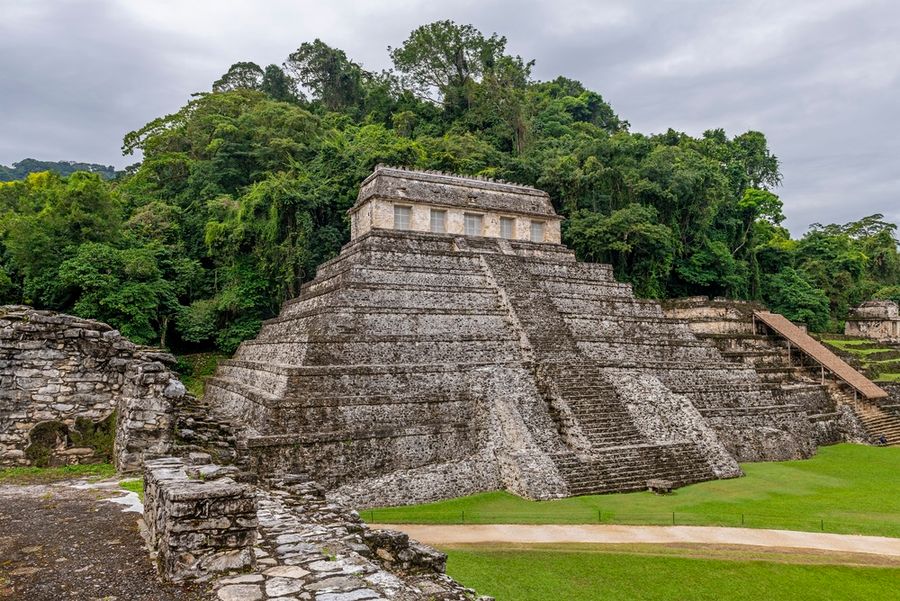
Mexico is home to extraordinary archaeological sites where visitors can walk among ancient temples, ceremonial plazas, and impressive stone structures built centuries before European colonization. From the Maya settlements of the Yucatán Peninsula to the mountaintop capital of the Zapotec civilization, several destinations allow visitors to experience history firsthand. Although climbing pyramids and entering certain chambers is restricted, many archaeological complexes remain open for exploration, allowing travelers to marvel at Mexico's remarkable civilizations through their surviving architecture and carefully preserved landscapes.
Chichén Itzá, Yucatán: Explore One of the Maya World's Greatest Cities
Chichén Itzá is among Mexico's most recognizable archaeological destinations, located between Mérida and Cancún on the Yucatán Peninsula. Once a major political and religious center of Maya civilization, the ancient city contains monumental temples, ceremonial platforms, and structures associated with astronomical observations. Its most famous landmark, El Castillo, also known as the Temple of Kukulcán, dominates the central plaza with its impressive stepped architecture.
Visitors can explore the expansive archaeological grounds and observe landmarks including the Great Ball Court, Temple of the Warriors, and Group of a Thousand Columns. Although climbing El Castillo and entering certain structures are prohibited, designated pathways provide excellent opportunities to appreciate the city's architecture. Travelers should consult the official Chichén Itzá visitor information for current opening hours, admission requirements, and directions. Arriving early can help visitors avoid the busiest periods and intense afternoon temperatures.
Uxmal, Yucatán: Discover Elaborate Maya Stone Architecture
Located approximately 50 miles south of Mérida, Uxmal is particularly appealing to travelers interested in ancient architecture and decorative craftsmanship. The city is celebrated for its Puuc architectural style, characterized by elaborate stone mosaics, geometric patterns, and detailed representations of Maya deities. Its relatively spacious layout allows visitors to appreciate the relationship between individual buildings and the surrounding ceremonial areas.
The Pyramid of the Magician is Uxmal's most distinctive monument, featuring an unusual rounded profile that sets it apart from many other Maya pyramids. Visitors can also explore designated areas around the Nunnery Quadrangle, Governor's Palace, and other surviving structures. Travelers can reach Uxmal from Mérida by road, making it convenient for a day trip or a longer itinerary exploring the region's ancient settlements.
Monte Albán, Oaxaca: Walk Through an Ancient Mountaintop Capital
Monte Albán offers a strikingly different archaeological experience from the Maya cities of southeastern Mexico. Situated on a flattened mountaintop overlooking the Oaxaca Valley, this ancient Zapotec capital features expansive plazas, ceremonial platforms, tombs, and monumental buildings. Its elevated location provides spectacular views of the surrounding mountains while revealing how ancient inhabitants transformed the landscape to construct an important urban center.
Visitors can walk through the enormous Main Plaza, examine carved stone monuments, and observe the remains of structures associated with religious and political activities. The site's open layout makes it particularly rewarding for travelers interested in understanding the scale of ancient urban planning. Although certain chambers and structures remain restricted, the accessible pathways provide an immersive historical experience. Located near Oaxaca City, the ruins are easily combined with visits to local museums, traditional markets, and other cultural attractions.
Tulum, Quintana Roo: Explore Maya Ruins Overlooking the Caribbean
Tulum is one of Mexico's most visually distinctive archaeological destinations, with ancient Maya buildings overlooking the turquoise waters of the Caribbean Sea. Unlike many inland settlements, Tulum functioned as a fortified coastal center associated with maritime trade. Its defensive walls and strategic location offer valuable insights into the importance of commerce and coastal navigation in the ancient Maya world.
Visitors can follow designated paths through the archaeological complex, observing landmarks such as El Castillo, the Temple of the Frescoes, and surviving sections of the city's defensive walls. Although entering buildings and climbing monuments is generally prohibited, the walking routes provide impressive views of the ruins against the Caribbean coastline. Its proximity to Tulum and Playa del Carmen makes the ruins a convenient cultural excursion for travelers staying along the Riviera Maya.
Ek Balam, Yucatán: Experience Intricate Maya Sculptures and Ceremonial Buildings
Ek Balam, located north of Valladolid, provides another fascinating opportunity to explore an ancient Maya settlement. The archaeological site is particularly notable for its impressive Acropolis, a monumental structure decorated with remarkably preserved stucco sculptures. These elaborate details reveal important aspects of Maya artistic traditions, religious symbolism, and architectural craftsmanship.
Visitors can walk through the archaeological grounds, exploring plazas, defensive walls, and ceremonial structures while examining surviving decorative features. The Acropolis is especially notable for its scale and intricate ornamentation, including sculptural representations associated with the city's rulers. Access to individual buildings and elevated areas can change because of conservation requirements, making it important to respect posted restrictions. Its proximity to Valladolid also makes it practical to combine Ek Balam with Chichén Itzá during a longer Yucatán itinerary.
Discovering Mexico's Ancient History Through Its Ruins
Mexico's archaeological destinations provide opportunities to experience ancient history beyond museum displays and photographs. Chichén Itzá and Uxmal showcase monumental Maya architecture, Monte Albán reveals the achievements of the Zapotec civilization, and Tulum and Ek Balam offer distinctive perspectives on coastal trade and artistic traditions.
For American travelers, planning visits around nearby cities and allowing sufficient exploration time can make these experiences more rewarding. Checking current admission rules, wearing comfortable walking shoes, and respecting protected structures are essential. While not every pyramid or chamber can be entered, walking through these extraordinary archaeological landscapes offers a memorable connection to Mexico's cultural heritage.