

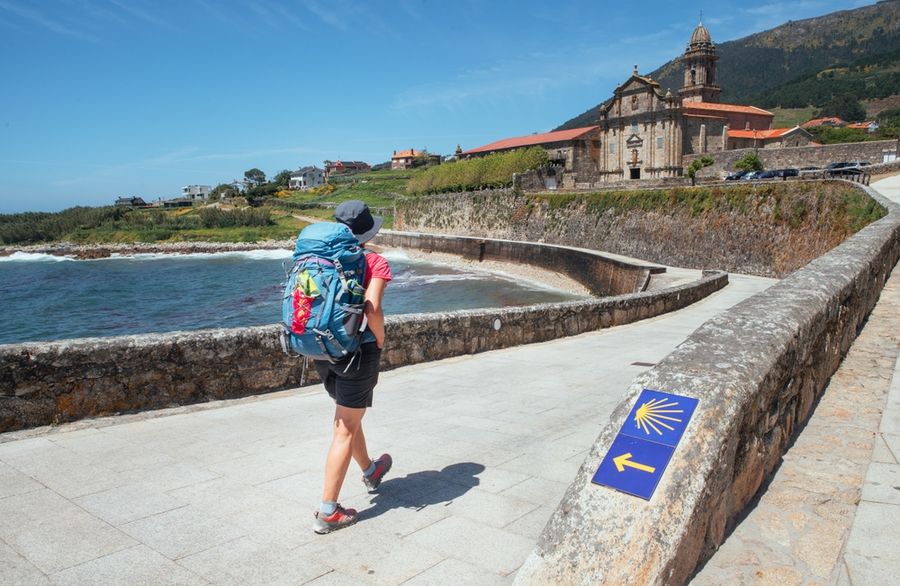
Walking the Camino de Santiago is an opportunity to experience Spain's countryside, historic villages, and centuries-old pilgrimage traditions at a slower pace. Each year, travelers follow different routes toward Santiago de Compostela, motivated by faith, personal reflection, cultural curiosity, or the simple enjoyment of walking. Picking a pair of shoes is just the beginning. Choosing an appropriate route, building endurance, and understanding accommodation options can help make your journey both rewarding and manageable.
Choose the Right Camino Route for Your First Trip
The Camino de Santiago isn't a single trail but a network of routes leading toward Santiago de Compostela in northwestern Spain. The Camino Francés, or French Way, is among the most popular choices for beginners because it offers established infrastructure, frequent accommodations, and clear route markings.
The complete Camino Francés stretches roughly 800 kilometers (500 miles) across northern Spain, but walking the entire distance isn't necessary. Many first-time pilgrims begin in Sarria, approximately 114 kilometers (71 miles) from Santiago. This section passes through Galician villages, wooded landscapes, and rolling countryside and can typically be completed in five or six walking days.
Other possibilities include the Portuguese Way from Tui or the English Way from Ferrol. Consider your available vacation time, walking experience, and preference for solitude before choosing. Popular sections offer more services but can also become crowded during peak travel periods.
Prepare Your Body for Consecutive Days of Walking
Walking the Camino requires endurance rather than exceptional athletic ability. The main challenge is covering substantial distances on consecutive days, often while carrying a backpack over uneven terrain.
Begin preparing several weeks or months before departure. Start with manageable neighborhood walks, then gradually increase distance. Practice on hills and mixed surfaces, and occasionally walk on consecutive days to understand how your body responds. Physical preparation is especially important for people who normally lead sedentary lifestyles.
Build flexibility into your itinerary. Although many established stages cover approximately 12 to 19 miles, you can divide longer sections into shorter walks. Allow time for rest, particularly if you experience persistent fatigue, blisters, or joint discomfort. Completing the pilgrimage comfortably is more important than matching another traveler's pace.
Pack Light and Choose Comfortable Footwear
Carrying unnecessary belongings can make long walking days significantly harder. Focus on lightweight clothing, basic personal supplies, weather protection, and equipment you will actually use.
A practical packing list includes broken-in walking shoes, moisture-wicking socks, lightweight clothing layers, a rain jacket, refillable water bottle, sunscreen, and a small first-aid kit. Consider using a backpack with adjustable shoulder straps and a supportive hip belt. Test your loaded backpack during training walks to identify uncomfortable pressure points.
Avoid wearing new hiking boots for the first time on the Camino. Footwear should already feel comfortable across the distances you expect to cover. Optional luggage-transfer services can transport larger bags between accommodations, allowing walkers to carry only daily essentials.
Understand Pilgrim Credentials and Certificates
One important preparation step is obtaining a credencial del peregrino, commonly called a pilgrim passport. This document records your progress through stamps collected at accommodations, churches, and other participating locations.
To qualify for the traditional Compostela certificate, pilgrims generally must complete at least the final 100 kilometers on foot along a recognized route, meeting the pilgrimage's religious or spiritual requirements. Walkers must collect at least two stamps daily during the qualifying distance. Official credentials are available through authorized pilgrim organizations.
Keep your credential protected from rain and collect stamps consistently. Upon reaching Santiago, eligible pilgrims can visit the Pilgrim's Reception Office to request their Compostela. Travelers whose journey is primarily recreational can also inquire about alternative documentation recognizing their completed distance.
Plan Accommodation and Daily Walking Stages
Pilgrim hostels, known as albergues, are a distinctive feature of the Camino experience. They commonly provide shared sleeping areas and basic facilities, allowing travelers to meet other walkers along the route.
Galicia maintains a network of public pilgrim hostels, while private albergues, guesthouses, and hotels offer additional choices. Public accommodation generally operates with limited capacity, so travelers should confirm current reservation policies and availability before departure.
Plan your overnight stops around manageable walking distances rather than simply following standard guidebook stages. Booking private rooms in advance can be useful during busy periods, especially if you prefer predictable sleeping arrangements. Allow an additional night in Santiago to explore the city without rushing immediately toward your return journey.
Prepare for Spanish Travel Logistics and Weather
For Americans traveling to Spain, reaching a Camino starting point commonly involves flying into a major European airport and continuing by train, bus, or regional flight. Compare transportation connections carefully, particularly when coordinating arrival times with onward services.
Spring and autumn are popular periods for walking because temperatures can be more comfortable than during midsummer. However, northern Spain experiences changing weather, including rain and cool mornings. Check regional forecasts shortly before departure and prepare appropriate clothing layers.
Before traveling, verify passport requirements, applicable entry rules, and travel insurance coverage. Keep digital copies of important reservations and documents, but carry essential information offline in case mobile service becomes unreliable.
Making Your First Camino a Meaningful Experience
Walking the Camino de Santiago for the first time can be physically challenging, culturally enriching, and personally rewarding. Selecting a suitable route, preparing gradually, packing thoughtfully, and arranging flexible accommodations can make the experience easier to manage.
You don't need to walk hundreds of miles or maintain an ambitious daily schedule to appreciate the journey. Take time to explore villages, speak with fellow pilgrims, enjoy regional food, and reflect on what brought you there.
With realistic expectations and careful planning, your first Camino can become much more than a walking vacation. It can offer a memorable introduction to Spain's landscapes, history, and enduring pilgrimage traditions.