

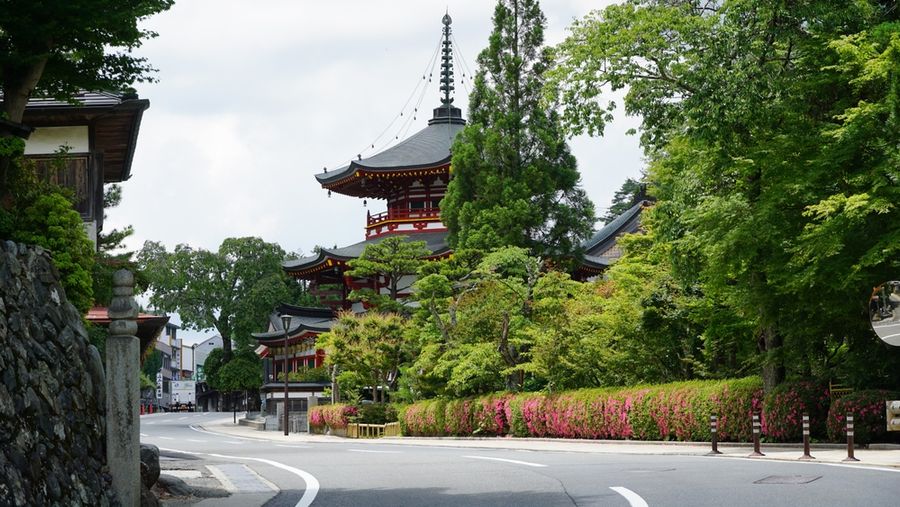
Hidden among the forested mountains of Japan's Wakayama Prefecture, Koyasan is one of the country's most important spiritual destinations. Established more than 1,200 years ago, the sacred mountain community offers visitors an opportunity to experience traditional temples, Buddhist ceremonies, and peaceful natural surroundings. Whether you're interested in religious history, meditation, or cultural exploration, Koyasan provides an experience unlike Japan's larger cities. Planning an overnight visit allows you to appreciate its spiritual traditions at a more reflective pace.
Stay Overnight in a Traditional Buddhist Temple
One of the most distinctive ways to experience Koyasan is by staying in a shukubo, a traditional Buddhist temple lodging. These accommodations allow visitors to spend time within an active religious community while enjoying elements of traditional Japanese hospitality.
Many temple lodgings feature tatami-mat rooms, futon bedding, and shared bathing facilities, although amenities vary. Guests may also have opportunities to attend morning prayers and other religious activities. Staying overnight is especially worthwhile because it allows visitors to experience Koyasan's quieter atmosphere after daytime tourists leave.
Reservations are recommended, particularly during popular travel periods. Confirm whether meals are included, what time you must arrive, and whether your accommodation offers English-language assistance. Some lodgings have early evening meal schedules, making afternoon arrival preferable to reaching Koyasan late at night.
Walk Through the Sacred Okunoin Cemetery
Okunoin is among Koyasan's most significant religious sites and an essential stop for first-time visitors. Its forested cemetery contains more than 200,000 memorials and graves, with pathways winding beneath towering cedar trees toward the mausoleum of Kobo Daishi, the founder of Shingon Buddhism.
For the traditional approach, begin at Ichinohashi Bridge and follow the approximately two-kilometer path through the cemetery. Along the way, you'll encounter moss-covered stone monuments, historic tombs, and memorials dedicated to people from different periods of Japanese history. The route eventually reaches Torodo, the Hall of Lanterns, near Kobo Daishi's mausoleum.
Allow sufficient time to appreciate the surroundings without rushing. Visitors should remember that Okunoin remains an active place of worship rather than simply a historical attraction. Photography is prohibited beyond Gobyobashi Bridge near the innermost sanctuary, and respectful silence is appropriate throughout the sacred area.
Explore Kongobuji Temple and Danjo Garan
Koyasan's spiritual heritage extends beyond Okunoin. Kongobuji, the headquarters of Shingon Buddhism, provides insight into the religious traditions and artistic heritage associated with the mountain community.
Inside Kongobuji, visitors can admire rooms decorated with traditional painted sliding doors and explore architectural features preserved from earlier centuries. The temple's Banryutei Rock Garden is another highlight, featuring carefully arranged stones within a landscaped setting. Admission is required for certain interior areas.
Nearby, Danjo Garan is one of Koyasan's principal sacred precincts. Its impressive Konpon Daito pagoda and surrounding temple buildings create an important setting for religious observances. Plan to visit both locations during the same part of your itinerary, allowing time to explore their architecture and appreciate the distinctions between the two complexes.
Participate in Meditation and Morning Prayers
Visitors interested in a deeper spiritual experience can participate in certain Buddhist practices offered through temple lodgings. These activities provide opportunities to learn about Koyasan's religious traditions through direct observation and guided participation.
Some temples offer Ajikan, a meditation practice associated with Shingon Buddhism. Participants receive instruction in focusing their attention while sitting quietly. Other available experiences may include copying Buddhist sutras, observing fire rituals, or attending early morning religious services.
You don't need to be Buddhist to appreciate these activities, but respectful participation is important. Confirm the schedule and reservation requirements beforehand, since offerings differ between temples. Approach religious ceremonies as opportunities for cultural understanding rather than treating them as entertainment.
Experience Traditional Buddhist Vegetarian Cuisine
Food forms another memorable part of an overnight stay in Koyasan. Many temple lodgings serve shojin ryori, a traditional style of Buddhist vegetarian cuisine emphasizing seasonal ingredients, careful preparation, and balanced presentation.
Meals may feature tofu, seasonal vegetables, mushrooms, rice, and koyadofu, a type of freeze-dried tofu associated with the region. Dishes are often presented in several small portions, allowing guests to appreciate different flavors and textures.
Rather than expecting elaborate restaurant-style dining, approach the meal as part of the temple experience. Inform your accommodation about dietary restrictions before arrival, particularly if you have allergies. Although shojin ryori avoids meat and fish, ingredients and preparation practices vary between establishments.
Plan Your Journey From Osaka to Koyasan
Koyasan is accessible by public transportation, making it a practical addition to a longer Japanese itinerary. For visitors arriving from the United States, Osaka provides a convenient starting point.
From Osaka's Namba Station, take the Nankai Koya Line toward Gokurakubashi Station. Transfer to the Koyasan Cable Car for the ascent to Koyasan Station, then continue by local bus toward the temple district.
Allow approximately two to three hours for the journey, depending on train connections and your destination. Since Koyasan sits at a higher elevation than Osaka, temperatures can be noticeably cooler. Pack comfortable walking shoes and suitable layers, especially during spring and autumn.
Respect the Sacred Atmosphere During Your Visit
Koyasan welcomes travelers from different religious and cultural backgrounds, but visitors should recognize that many buildings and pathways remain important places of Buddhist worship.
Wear modest clothing when visiting temples, speak quietly during ceremonies, and follow posted restrictions. Photography may be prohibited in certain halls and sacred areas. Visitors should also remove their shoes when required and avoid interrupting religious activities.
Consider spending at least one night on the mountain rather than treating Koyasan as a brief sightseeing stop. This provides time for a morning ceremony, visits to major temples, and an unhurried walk through Okunoin.
Discovering the Spiritual Character of Koyasan
Experiencing Koyasan involves more than visiting beautiful temples. The combination of sacred architecture, forested pathways, traditional cuisine, and Buddhist practices offers a distinctive perspective on Japan's spiritual heritage.
An overnight temple stay provides an opportunity to experience daily traditions, while visits to Okunoin, Kongobuji, and Danjo Garan reveal different aspects of the mountain's history.
Whether your visit is motivated by faith, curiosity, or a desire for quiet reflection, approaching Koyasan with patience and respect can make the journey especially meaningful. Rather than rushing between attractions, allow time to appreciate the atmosphere that has drawn pilgrims to this sacred mountain for centuries.