

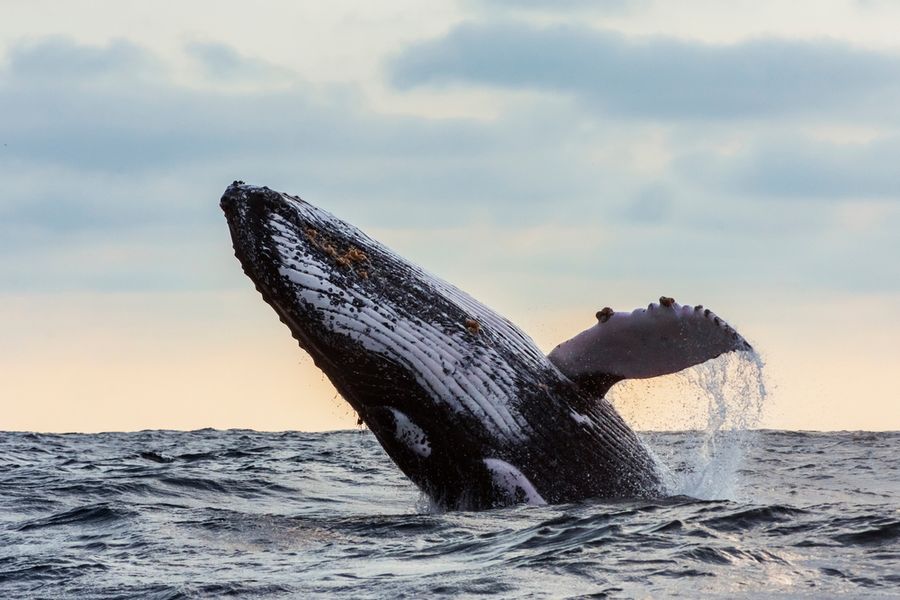
Whale watching offers an extraordinary opportunity to experience marine wildlife while navigating some of North America's most beautiful coastlines. From the rugged shores of California to the tropical waters of Hawaii and the sheltered bays of Mexico, several destinations provide excellent opportunities to observe whales in their natural habitats. Whether you're hoping to see humpbacks breaching, gray whales migrating, or orcas traveling in family groups, choosing the right destination and season can make your coastal adventure especially memorable.
1. Monterey Bay, California: Whale Watching Along the Pacific Coast
Monterey Bay is one of California's premier whale-watching destinations, known for its dramatic coastline, abundant marine life, and opportunities to observe several whale species throughout the year. The bay's deep underwater canyon and nutrient-rich waters attract migrating and feeding whales, making it particularly appealing to wildlife enthusiasts and photographers.
Gray whales migrate through the region during winter and spring, while humpbacks commonly feed in the area from March through November. Blue whales may also appear during summer, making the region's seasonal whale-watching opportunities especially diverse. Visitors can join boat excursions departing from Monterey or Moss Landing, explore the scenic coastline, or watch for whales from elevated coastal viewpoints. Point Lobos State Natural Reserve offers particularly beautiful surroundings for combining hiking with wildlife observation.
2. Cape Cod, Massachusetts: Humpback Whales and Historic Seaside Towns
Cape Cod combines classic New England coastal scenery with access to one of the Atlantic Ocean's important whale-feeding environments. Just offshore, Stellwagen Bank National Marine Sanctuary attracts humpback, fin, and minke whales during warmer months. Its productive waters provide feeding opportunities that make the region especially popular with whale-watching enthusiasts.
The principal whale-watching season generally extends from mid-April through October, with particularly favorable opportunities between June and September. Excursions depart from communities including Provincetown and Barnstable Harbor. Visitors can combine a morning whale-watching cruise with afternoons exploring historic lighthouses, sandy beaches, and waterfront villages. Provincetown is especially appealing because its harbor provides convenient access to nearby whale-feeding grounds.
3. Maui, Hawaii: Humpback Whales Against a Tropical Backdrop
Maui offers a remarkable whale-watching experience surrounded by volcanic mountains, tropical beaches, and clear Pacific waters. Every winter, humpback whales migrate from northern feeding areas to Hawaii's warmer waters to breed, give birth, and care for their calves. This seasonal gathering provides opportunities to observe behaviors such as breaching, tail slapping, and interactions between mothers and young whales.
The whale-watching season in Hawaii generally extends from November through April, with January through March typically offering peak activity. Travelers can book guided excursions or search for whales from coastal viewpoints in areas such as South Maui and West Maui. Staying near the shoreline may provide opportunities to spot distant spouts without joining a boat tour. Binoculars are helpful for observing whales responsibly from land.
4. Telegraph Cove, British Columbia: Orcas Among Forested Islands
Located on northern Vancouver Island, Telegraph Cove is a picturesque coastal community surrounded by evergreen forests, sheltered waterways, and rugged mountain scenery. Its proximity to Johnstone Strait makes it a particularly attractive destination for travelers hoping to observe orcas in the wild. Humpback whales and other marine mammals also inhabit the surrounding waters.
Whale-watching excursions around Telegraph Cove typically operate between May and October, providing opportunities to observe marine wildlife while navigating the region's scenic channels. Visitors can also explore the community's historic boardwalk, learn about marine ecosystems at the Whale Interpretive Centre, or enjoy kayaking excursions. Telegraph Cove is especially appealing to travelers who prefer small coastal communities and wilderness surroundings over major resort destinations.
5. San Ignacio Lagoon, Mexico: Gray Whales in a Sheltered Coastal Sanctuary
San Ignacio Lagoon, located on the Pacific coast of Mexico's Baja California Peninsula, provides a distinctive experience centered on migrating gray whales. These sheltered waters serve as important breeding and calving grounds, attracting whales that travel south from northern Pacific feeding areas during winter.
The lagoon is one of Baja California Sur's principal gray whale observation destinations, with guided excursions typically operating during the winter breeding season, especially between January and March. Small boats take visitors into designated observation areas where whales may approach voluntarily. Travelers should never attempt to touch or approach whales independently, and all encounters must follow established wildlife protection regulations. The lagoon's surrounding desert landscapes create an unforgettable contrast between arid coastal scenery and abundant marine life.
6. Channel Islands, California: Blue Whales and Wild Island Landscapes
The Channel Islands, located off Southern California's coast, offer excellent whale-watching opportunities within a protected marine environment. The surrounding Santa Barbara Channel supports numerous whale and dolphin species, while the islands themselves feature dramatic cliffs, sea caves, and relatively undeveloped landscapes.
The region's seasonal whale migrations create opportunities to observe gray whales from approximately mid-December through mid-March, while blue and humpback whales are more frequently encountered during summer. Excursions depart from coastal communities such as Ventura and Santa Barbara. Visitors interested in combining wildlife observation with outdoor recreation can also consider island hiking, kayaking, and photography. The area's diversity of marine species makes it appealing throughout much of the year.
Choosing the Right Coastal Whale-Watching Experience
North America's whale-watching destinations offer experiences suited to different interests and travel seasons. Monterey Bay and the Channel Islands appeal to visitors seeking species diversity, while Cape Cod provides excellent summer humpback encounters. Maui and San Ignacio Lagoon are particularly attractive during winter, and Telegraph Cove offers opportunities to observe orcas against spectacular Pacific Northwest scenery.
Before traveling, research seasonal migration patterns, compare excursion operators, and choose companies that follow responsible wildlife-viewing practices. Weather conditions and whale movements can affect sightings, so flexibility is valuable. With thoughtful planning, these six coastal destinations provide opportunities to appreciate marine wildlife while discovering some of North America's most remarkable natural landscapes.