

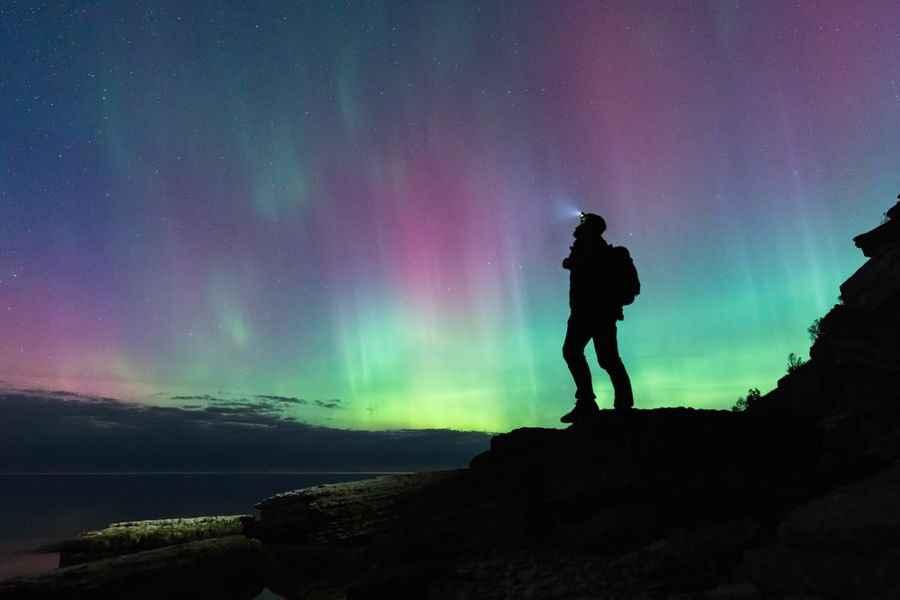
Seeing the northern lights doesn't have to mean booking an expensive Arctic cruise or staying in a luxury glass-domed resort. Several destinations across the United States offer opportunities to witness the aurora borealis while keeping transportation, accommodation, and sightseeing costs under control. Some are particularly economical for travelers who can drive rather than fly. Although sightings are never guaranteed, choosing accessible locations with dark skies and inexpensive viewing opportunities can make the experience considerably more affordable.
1. Voyageurs National Park, Minnesota: No-Fee Aurora Viewing
Located near the Canadian border, Voyageurs National Park offers one of the strongest combinations of dark skies and affordability in the Midwest. Unlike national parks that charge admission, Voyageurs has no entrance fee. Visitors can observe the northern lights from designated mainland locations without purchasing specialized tours or paying additional viewing charges.
The boat launches near the Rainy Lake, Kabetogama Lake, and Ash River visitor centers provide accessible observation areas. Budget-conscious travelers can stay in nearby International Falls or other surrounding communities rather than paying for waterfront accommodations. For Midwestern residents who can reach the park by car, this eliminates airfare and makes a short aurora-viewing trip more practical. Camping offers another accommodation option, although overnight fees and seasonal conditions must be considered.
2. Keweenaw Peninsula, Michigan: Northern Lights From Public Shorelines
Michigan's Keweenaw Peninsula extends into Lake Superior, offering dark skies and unobstructed northern horizons. Unlike remote Arctic destinations that require specialized transportation, the peninsula can be explored using ordinary roads during suitable weather. Communities such as Houghton and Hancock provide accommodation options, while the surrounding coastline offers numerous opportunities for independent aurora viewing.
Visitors can look for auroras at public locations such as Eagle River Beach, Calumet Waterworks Park, and accessible sections of the Keweenaw Dark Sky Park. These locations make it possible to avoid organized viewing tours, while staying outside smaller tourist communities may provide additional lodging choices. Autumn is particularly attractive because visitors can combine nighttime aurora hunting with scenic drives and fall foliage. However, successful sightings require favorable geomagnetic activity, and some elevated viewing roads become inaccessible to ordinary vehicles during winter.
3. Cook County, Minnesota: Budget-Friendly Road Trips Along Lake Superior
Cook County, in northeastern Minnesota, is another practical choice for travelers within driving distance of the Great Lakes. Its remote forests, lakeshores, and limited light pollution create favorable conditions for observing the night sky. Grand Marais provides a convenient base, while the surrounding areas offer numerous possible viewing locations.
One advantage is the availability of established self-guided northern lights routes around Grand Marais, the Gunflint Trail, and nearby communities. Travelers can download these routes and plan their own excursions instead of hiring a guide. Choosing modest lodging, sharing transportation expenses, and preparing meals independently can make the trip less expensive than an international aurora vacation. However, winter road closures and limited cellular coverage require careful planning. This destination is particularly economical for regional travelers, not necessarily visitors who must purchase expensive cross-country flights.
4. Theodore Roosevelt National Park, North Dakota: Low-Cost Stargazing
North Dakota's Theodore Roosevelt National Park offers an affordable alternative for travelers interested in combining northern lights hunting with wildlife viewing and scenic landscapes. Its relatively isolated location limits artificial lighting, while elevated observation areas provide expansive views of the night sky. Aurora sightings are occasional rather than routine, making this destination most appealing to travelers who can visit during predicted periods of stronger geomagnetic activity.
The park charges $30 per private vehicle for a seven-day entrance pass, covering everyone traveling together. This makes admission relatively economical for families or groups sharing a vehicle. Camping and accommodations in surrounding communities provide alternatives to specialized northern lights resorts. Visitors can also explore hiking trails and scenic drives during daylight hours, ensuring the trip remains worthwhile even without an aurora sighting. Because the lights are less predictable here than in Alaska, travelers should avoid booking an expensive dedicated trip solely for aurora viewing.
5. Fairbanks, Alaska: A Budget Alternative to Remote Arctic Expeditions
Fairbanks is not necessarily a cheap destination, but it can be a more economical way to experience Alaska's northern lights than booking remote wilderness lodges or elaborate Arctic expeditions. Its location beneath the auroral oval offers excellent viewing opportunities, with an established aurora season extending from August 21 through April 21.
The most practical savings come from choosing standard accommodations in Fairbanks and avoiding bundled luxury packages. Travelers can compare independent flight and hotel bookings, prepare some meals themselves, and limit paid excursions. Those with suitable transportation can explore accessible viewing areas outside the city's brightest lights without booking a tour every night. However, car rentals, winter driving equipment, and airfare can significantly increase expenses. Fairbanks is therefore best described as a potentially lower-cost Arctic alternative, rather than an inexpensive vacation for every traveler.
Choosing an Affordable Northern Lights Destination
The most economical destination depends largely on where the journey begins. Midwestern travelers may find Michigan, Minnesota, and North Dakota particularly attractive because road trips can eliminate airfare expenses. Fairbanks offers stronger aurora-viewing opportunities, but reaching Alaska may require a larger budget. For any destination, comparing total transportation, accommodation, and activity costs is essential before booking.
Travelers should also consider the trade-off between price and viewing probability. Lower-latitude destinations generally require stronger geomagnetic activity, making flexible travel plans especially valuable. Checking the aurora forecast, choosing locations with minimal light pollution, and allowing multiple nights for observation can improve the experience. Ultimately, the most affordable northern lights vacation is one that balances reasonable expenses with realistic expectations and worthwhile activities even when the sky remains quiet.