

Bathrooms with limited airflow are particularly vulnerable to mold because moisture from showers, baths, and sinks can linger long after use. Without adequate ventilation, damp surfaces create favorable conditions for mold to develop on walls, ceilings, grout, and other materials. Fortunately, preventing moisture problems doesn't always require major renovations. A combination of improved airflow, better moisture management, and consistent cleaning can make a meaningful difference. Understanding which changes matter most can help homeowners maintain a cleaner, healthier bathroom.
Improve Air Circulation With an Exhaust Fan
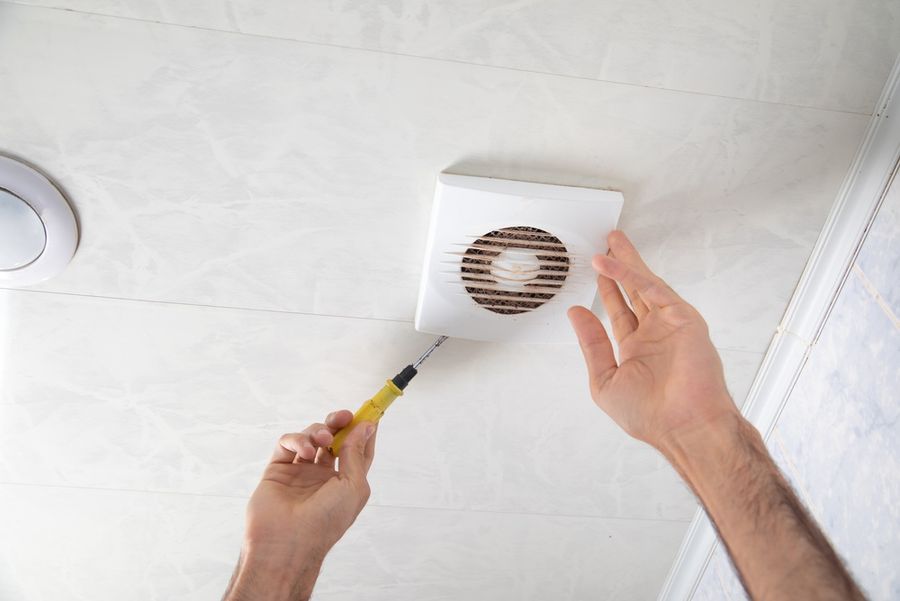
An effective exhaust fan is one of the most useful improvements for a bathroom with poor ventilation. Unlike a portable fan that simply moves humid air around, a properly installed exhaust fan removes moisture-laden air from the room and directs it outdoors. This helps reduce humidity after showers and baths, limiting the conditions that encourage mold growth.
If your bathroom already has an exhaust fan, check whether it is functioning effectively. Accumulated dust, blocked ducts, or an aging motor can reduce performance. Clean accessible fan components according to the manufacturer's instructions and ensure the duct terminates outdoors rather than inside an attic. For bathrooms without mechanical ventilation, consider having a qualified contractor install a suitable exhaust system. Exhausting bathroom moisture directly outside is an important part of preventing indoor mold problems.
Reduce Humidity After Every Shower
Even with limited ventilation, changing a few daily habits can help prevent excessive moisture buildup. Showering produces humid air that can condense on mirrors, windows, ceilings, and other cooler surfaces. When these areas remain damp for extended periods, mold has more opportunities to develop.
Run the bathroom exhaust fan during showers and leave it operating afterward until the room's humidity decreases. If no fan is available, opening a window can help when outdoor conditions permit. A small digital hygrometer can indicate whether humidity remains elevated. Indoor relative humidity should generally stay below 60%, ideally between 30% and 50%, to discourage mold growth.
Consider shortening excessively hot showers and keeping the bathroom door open after use when privacy is no longer necessary. In particularly humid homes, a properly sized dehumidifier located in a suitable adjoining space may help control overall moisture levels. Any electrical appliance used near a bathroom must be positioned and operated safely.
Keep Shower Walls and Surfaces Dry
Water that remains on bathroom surfaces can contribute to mold growth even when airborne humidity is controlled. Shower enclosures, bathtub edges, grout lines, and window ledges frequently collect moisture that takes time to evaporate.
Use a squeegee to remove water from shower doors and tiled walls after bathing. A microfiber cloth can help dry corners, windowsills, and other areas where water accumulates. Keep shower curtains extended after use so their folds can dry, and avoid leaving wet bathmats or towels piled on the floor.
Pay attention to areas behind shampoo bottles, soap dishes, and storage containers. Water can remain trapped beneath these objects, especially when shelves have little airflow. Using wall-mounted storage or open shelving can make surfaces easier to dry and inspect.
Repair Leaks and Damaged Seals Promptly
Not all bathroom moisture comes from shower steam. Small plumbing leaks and damaged seals can introduce water into concealed areas, creating conditions for mold even when visible surfaces appear dry.
Inspect the connections beneath sinks, around toilet bases, and behind accessible plumbing fixtures. Look for discoloration, soft flooring, peeling paint, or persistent dampness. Examine the caulk around bathtubs and showers for gaps that could allow water to reach underlying materials.
Repair leaking fixtures promptly and replace deteriorated caulk after thoroughly removing old material and cleaning and drying the area. Damaged grout or waterproofing may require additional investigation. Wet building materials should be dried as quickly as possible, ideally within 24 to 48 hours, to reduce the likelihood of mold developing.
Choose Bathroom Materials That Resist Moisture
Certain bathroom materials handle humidity better than others. Porous surfaces can retain water, making them less suitable for rooms where ventilation is consistently limited.
For remodeling projects, consider porcelain or ceramic tile, appropriate waterproof flooring, and moisture-resistant trim. Bathroom-rated paint can help protect properly prepared walls and ceilings, although it cannot prevent mold if moisture problems remain unresolved. Avoid carpeting and other absorbent floor coverings that are difficult to dry.
Where possible, choose furniture and storage accessories that allow air to circulate behind them. Leaving space between large cabinets and exterior walls can also make it easier to identify condensation or hidden moisture before it becomes a larger problem.
Establish a Consistent Cleaning Routine
Regular cleaning helps remove soap residue, dirt, and existing surface contamination. Concentrate on grout lines, shower corners, window frames, and the edges of bathroom fixtures, where moisture and residue commonly accumulate.
For small amounts of mold on hard surfaces, clean with water and detergent, then dry the area completely. Wear suitable protective equipment, follow cleaning product instructions, and never combine bleach with ammonia or other cleaners. Moldy porous materials may require replacement, while extensive contamination or recurring growth behind walls can warrant professional assessment.
Remember that cleaning alone will not solve a persistent moisture problem. If mold repeatedly returns to the same location, investigate possible leaks, condensation, or ineffective ventilation rather than repeatedly treating the visible growth.
Creating a Bathroom That Stays Cleaner and Drier
Preventing bathroom mold is largely a matter of controlling moisture before it accumulates. Effective ventilation, prompt drying, repaired plumbing, and suitable materials can substantially reduce the conditions that allow mold to spread.
Homeowners don't necessarily need a complete renovation to see improvements. Small changes, such as using a squeegee, monitoring humidity, and maintaining an exhaust fan, can provide lasting benefits. By combining these habits with regular inspections and timely repairs, even bathrooms with limited natural ventilation can become easier to maintain and less vulnerable to recurring mold problems.