

Your attic plays an important role in regulating indoor temperatures, yet inadequate insulation can allow valuable heating and cooling energy to escape. During winter, heat can move into an unconditioned attic, while summer temperatures can place additional demands on your air conditioner. Fortunately, several insulation upgrades can improve energy efficiency without requiring a complete home renovation. From adding insulation to sealing hidden gaps, understanding the available options can help homeowners reduce energy waste and maintain more comfortable living spaces.
1. Add Blown-In Insulation to the Attic Floor
One of the most effective attic upgrades involves increasing insulation coverage across the attic floor. Many older homes have insufficient insulation, allowing heat to move between conditioned living areas and the unconditioned space above. Adding insulation increases resistance to this heat transfer, potentially reducing the workload on heating and cooling equipment.
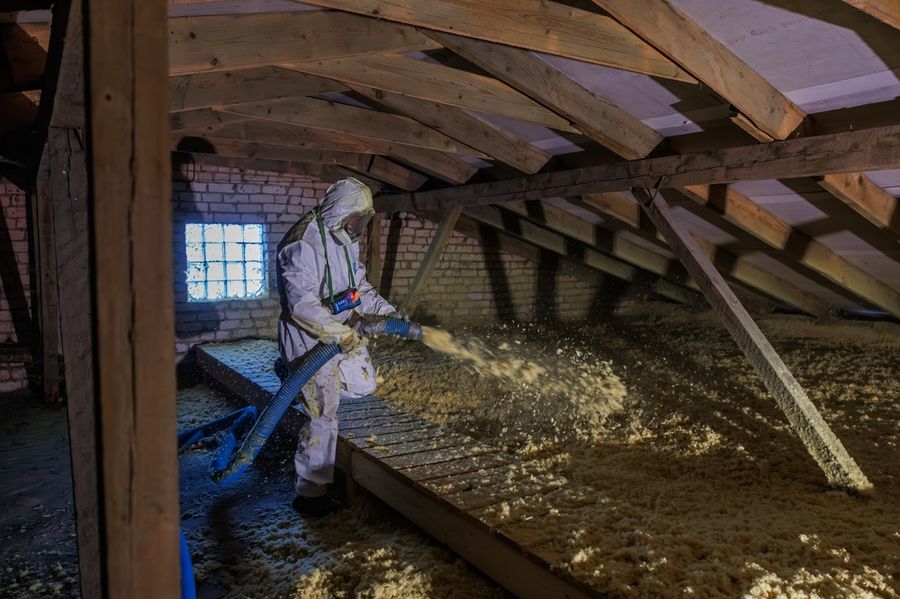
Blown-in insulation is particularly useful for improving coverage in existing attics. Installers use specialized equipment to distribute loose fiberglass or cellulose insulation across the attic floor, including around framing and other difficult-to-reach areas. This method can improve thermal performance without requiring homeowners to remove serviceable insulation already in place.
Before installation, measure the existing insulation depth and determine the appropriate target R-value, which represents resistance to heat flow. Recommended levels depend on climate, existing insulation, and local building requirements. Address air leaks before adding insulation, and ensure that soffit vents remain unobstructed to maintain proper attic ventilation.
2. Upgrade the Insulation Around Attic Access Openings
Attic hatches, pull-down staircases, and access doors are frequently overlooked sources of energy loss. Even when the surrounding attic floor contains adequate insulation, an uninsulated access opening can interrupt the home's thermal barrier and allow conditioned air to escape.
For a basic attic hatch, consider attaching rigid foam board or fiberglass insulation to the upper surface of the access panel. Weatherstripping around its perimeter can help prevent air leakage when the hatch is closed. Pull-down staircases may benefit from insulated covers that fit over the entire opening. These improvements help maintain a more continuous barrier between the living space and attic.
Check whether the existing hatch closes tightly and whether hinges, latches, or surrounding trim require adjustment. Gaps around the opening may need additional sealing. The goal is to improve thermal performance while preserving convenient access for inspections and maintenance.
3. Improve Insulation Behind Attic Knee Walls
Homes with finished attic rooms often have short vertical walls separating heated living space from unfinished areas beneath the sloping roof. These structures, called knee walls, can become significant sources of heat loss when insulation is missing, poorly installed, or exposed to moving attic air.
A practical improvement involves installing properly fitted insulation between the wall studs and adding a continuous air barrier on the unfinished attic side. Suitable barrier materials may include rigid foam board or other approved rigid sheathing. Sealing the seams and edges helps prevent air from moving through or around the insulation. Gaps beneath the knee walls also need attention because air can travel through open floor-joist cavities.
This upgrade is especially relevant for homes where finished upstairs rooms feel noticeably hotter in summer or colder in winter. However, the correct approach depends on the home's existing insulation and roof assembly. A qualified insulation contractor can identify the appropriate thermal boundary and recommend improvements without creating moisture problems.
4. Seal Attic Air Leaks Before Adding More Insulation
Although insulation reduces heat transfer, conventional fiberglass and loose-fill insulation do not automatically stop air from passing through gaps in a home's ceiling. Openings around wiring, plumbing pipes, recessed lighting, and framing connections can allow conditioned air to escape into the attic.
Air sealing involves closing these openings with appropriate materials before additional insulation is installed. Accessible gaps around plumbing and wiring penetrations may be sealed with suitable caulk or expanding foam. Larger openings sometimes require solid blocking before their edges can be sealed. Completing this work first helps additional insulation perform more effectively.
Certain locations require special precautions. Chimneys, furnace flues, and other high-temperature components need appropriate clearances and fire-resistant materials. Recessed light fixtures must also be evaluated before insulation is placed nearby. Never cover openings intended for attic ventilation. Hiring a trained contractor is advisable when the project involves unfamiliar electrical components, combustion equipment, or difficult access.
How to Choose the Right Attic Insulation Improvements
The best attic upgrade depends on where your home currently loses energy. A relatively empty attic may benefit most from additional blown-in insulation, while a well-insulated space with noticeable drafts could need better air sealing. Finished attic rooms and poorly sealed access hatches present different problems requiring targeted solutions.
Before starting work, consider arranging a professional home energy assessment. An inspection can help identify insulation deficiencies, air leakage, and moisture concerns. Homeowners should also investigate roof leaks and damaged insulation before installing additional materials. Older attics may contain vermiculite insulation that could contain asbestos, so suspicious materials should not be disturbed without professional evaluation.
Making Your Attic More Energy-Efficient
Improving attic insulation is a practical way to reduce unnecessary heating and cooling demands while making indoor temperatures more consistent. Adding blown-in insulation, upgrading access openings, improving knee walls, and sealing air leaks address different weaknesses in a home's thermal envelope.
Rather than completing every upgrade at once, homeowners can prioritize improvements based on an inspection of their existing attic. With appropriate materials, careful installation, and attention to ventilation and moisture control, these changes can support lasting energy savings and better comfort throughout the year.