

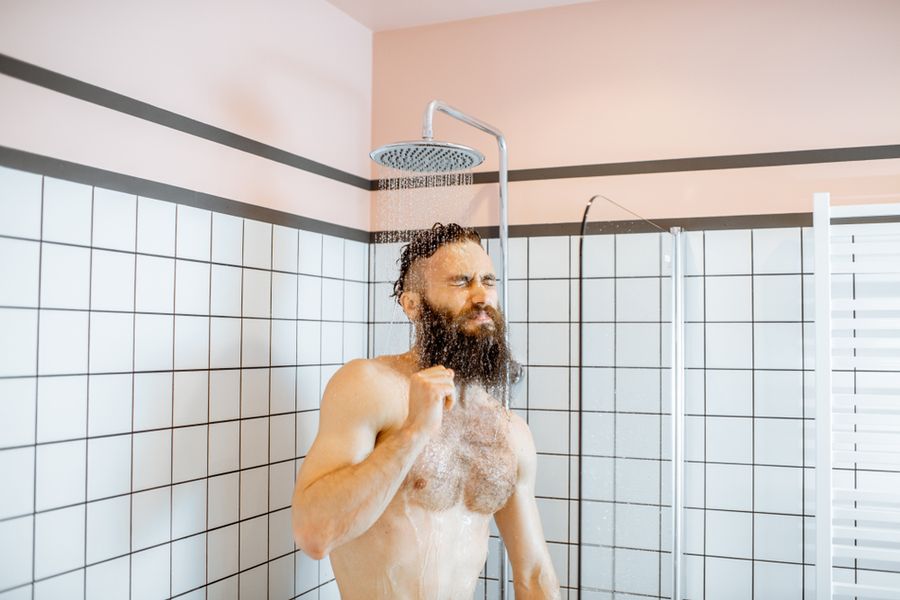
Cold showers have become a popular wellness trend, with enthusiasts claiming they can improve alertness, recovery, and overall well-being. However, suddenly exposing your body to cold water can trigger uncomfortable and potentially dangerous reactions, particularly if you have certain medical conditions. While research suggests some possible benefits, many claims remain unproven. Understanding how to adjust water temperature gradually, recognize warning signs, and respect your physical limits can help minimize unnecessary risks.
Understand What Cold Showers Can and Cannot Do
Cold water exposure activates the body's response to sudden temperature changes. Breathing and heart rate may increase, and blood vessels near the skin constrict to conserve heat. These reactions can create a temporary feeling of alertness, but they also explain why sudden exposure may be uncomfortable or risky.
Some research suggests potential benefits, although the evidence remains limited. In one randomized trial involving more than 3,000 adults, participants who finished regular showers with 30, 60, or 90 seconds of cold water reported fewer days absent from work because of sickness. However, they did not experience a statistically significant overall reduction in days feeling ill.
This distinction matters because cold showers shouldn't be considered a proven way to strengthen immunity, treat inflammation, or improve long-term health. Approach them as an optional wellness experiment rather than a necessary part of staying healthy.
Check Whether Cold Exposure Is Appropriate for You
Not everyone should experiment with cold showers. Sudden cold exposure can increase blood pressure and heart rate, potentially placing additional strain on the cardiovascular system.
People with heart disease, irregular heart rhythms, or other cardiovascular concerns should avoid experimenting without medical clearance. Anyone with significant circulation problems, conditions that cause adverse reactions to cold, or a history of fainting should also seek individualized medical advice before trying cold exposure.
Consider your general health and how your body responds to temperature changes. If ordinary showers sometimes cause dizziness or weakness, adding cold exposure may create unnecessary risks. There is no medical requirement to take cold showers, and choosing to avoid them is perfectly reasonable.
Start With Lukewarm Water Instead of Extreme Cold
For healthy adults who have no relevant medical concerns, a gradual introduction is more sensible than immediately turning the shower to its coldest setting. Begin with your usual comfortable shower temperature, then make a modest adjustment toward cooler water near the end.
Allow yourself to experience the slightly cooler temperature briefly, keeping your breathing relaxed. If the sensation feels manageable, finish the shower normally. During subsequent sessions, you can consider small additional adjustments rather than trying to reach an extremely cold temperature.
Gradual exposure is recommended because sudden temperature changes can trigger a cold-shock response involving rapid breathing and increased cardiovascular demands. Although cold-water immersion and showering aren't identical experiences, avoiding abrupt temperature changes remains a sensible precaution. Never interpret discomfort as proof that the technique is working.
Keep Cold Exposure Brief and Controlled
Longer exposure isn't necessarily better. A short period of cool water can help you assess your tolerance without turning the activity into an endurance challenge.
As an initial experiment, consider approximately 10 to 15 seconds of mildly cool water, stopping sooner if necessary. This is a conservative starting suggestion, not a medically established safe duration. Only consider gradually extending the time if you remain comfortable throughout the experience.
You don't need to copy routines involving several minutes of freezing water. The clinical trial examining cold showers used exposures of 30, 60, and 90 seconds, but it did not find a clear relationship between longer exposure and greater reductions in sickness absence. Its participants also did not have severe underlying medical conditions. These results don't establish a universally safe or beneficial duration.
Pay Attention to Breathing and Warning Signs
Your breathing provides important information about how you're responding to cold water. A sudden gasp or rapid, uncontrolled breathing can indicate that the temperature change is too intense.
Avoid deliberately holding your breath or forcing yourself to tolerate discomfort. Keep your head away from the shower stream if the cold sensation feels overwhelming, and make sure you can easily adjust the faucet. Stop immediately if you experience dizziness, unusual breathlessness, chest discomfort, or a racing or irregular heartbeat.
If symptoms develop, end the exposure and warm up gradually. Seek urgent medical assistance for chest pain, fainting, severe breathing difficulty, or other serious symptoms. Cold exposure should never become a competition against your body's warning signals.
Make Your Bathroom Environment Safer
The bathroom itself deserves attention when experimenting with cooler showers. Sudden discomfort or dizziness can increase the danger of slipping, particularly on wet flooring.
Use a secure nonslip bathmat, keep the shower area free of clutter, and ensure that temperature controls are easy to reach. Avoid locking yourself into a situation where assistance would be difficult if you became unwell.
After showering, dry yourself thoroughly and change into comfortable clothing. If you feel unusually cold, allow your body to return to a comfortable temperature before continuing normal activities. There is no reason to remain chilled afterward in pursuit of additional benefits.
Know When to Stop Experimenting
Cold showers should fit comfortably into your routine rather than become an obligation. If you consistently dread the experience, feel unwell afterward, or notice unpleasant symptoms, discontinuing the experiment is appropriate.
Consider whether the activity produces any meaningful personal benefit. Some people enjoy the sensation of alertness, while others find cold exposure stressful and uncomfortable. Individual experiences shouldn't be confused with evidence of lasting physiological improvements.
Maintain realistic expectations about the results. Regular exercise, adequate sleep, balanced nutrition, and stress management have more established roles in supporting long-term health than cold shower routines.
A Cautious Approach Is More Important Than Endurance
Experimenting with cold showers doesn't require extreme temperatures, lengthy exposure, or forcing yourself through discomfort. For otherwise healthy adults, beginning with mildly cool water, keeping sessions brief, and monitoring physical reactions offers a more cautious approach.
People with cardiovascular conditions or other relevant health concerns should obtain medical guidance rather than experimenting independently. Even without known medical problems, stop whenever symptoms become uncomfortable or concerning.
Ultimately, cold showers are optional. Their potential benefits remain uncertain, and no amount of persistence guarantees better health. Treating cold exposure as a modest personal experiment, rather than a test of toughness, allows curiosity to remain secondary to your safety and well-being.