

Eating to support a healthy inflammatory response doesn't have to involve expensive ingredients, complicated recipes, or hours in the kitchen. Many familiar foods, including vegetables, whole grains, beans, and fatty fish, contain nutrients associated with managing inflammation. The challenge is often finding convenient ways to combine them into satisfying meals. Fortunately, a few simple ingredient combinations can make anti-inflammatory eating more practical, whether it's for breakfast, lunch, or dinner.
1. Overnight Oats With Berries and Walnuts
Overnight oats provide a convenient breakfast that requires almost no morning preparation. Combining whole grains, berries, and nuts creates a meal containing fiber, healthy fats, and plant compounds associated with supporting a healthy inflammatory response.
To prepare a serving, combine half a cup of rolled oats with approximately half a cup of milk or an unsweetened milk alternative. Add a spoonful of plain Greek yogurt if you prefer a creamier texture. Stir everything together in a covered container and refrigerate overnight. In the morning, add blueberries, strawberries, or raspberries, along with a small handful of chopped walnuts.
Berries contain plant compounds called anthocyanins, while walnuts provide unsaturated fats, including plant-based omega-3 fatty acids. These nutrients are commonly found in dietary patterns associated with lower inflammation. Frozen berries work just as well for convenience and can be added directly to the oats before refrigeration.
2. Mediterranean Chickpea and Vegetable Bowls
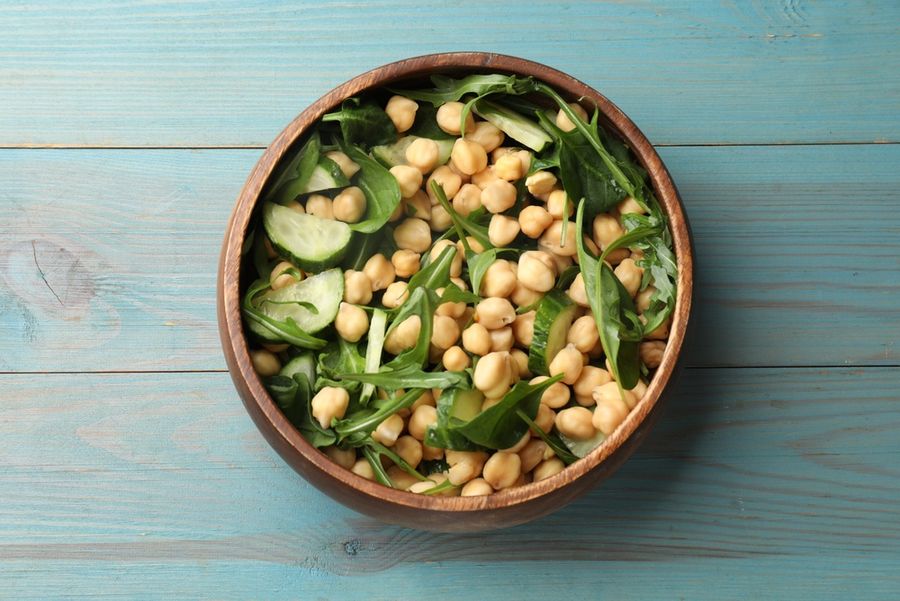
A Mediterranean-style grain bowl makes an easy lunch because most ingredients require little preparation. Chickpeas provide plant-based protein and fiber, while colorful vegetables contribute vitamins and antioxidant compounds.
Start with a serving of cooked quinoa or brown rice. Add rinsed canned chickpeas, chopped cucumber, cherry tomatoes, and a handful of spinach. Finish with a simple dressing made from olive oil, lemon juice, and dried oregano. For additional flavor, include parsley or a small amount of crumbled feta cheese.
This combination reflects the principles of Mediterranean-style eating, which emphasizes vegetables, legumes, whole grains, and olive oil. Prepare extra grains in advance and refrigerate them promptly, so assembling lunch takes only a few minutes. The ingredients can also be packed separately to keep vegetables crisp.
3. Sheet-Pan Salmon With Broccoli and Sweet Potatoes
Sheet-pan meals simplify dinner by cooking several ingredients together. Salmon, broccoli, and sweet potatoes create a balanced combination of protein, vegetables, and carbohydrate-rich produce without requiring multiple pots and pans.
Preheat the oven to 400°F. Cut a sweet potato into small cubes, toss with olive oil, and spread across a lined baking sheet. Roast for approximately 10 minutes before adding broccoli florets and a salmon fillet. Season with garlic, black pepper, and lemon juice, then continue roasting for approximately 12–15 minutes, or until the vegetables are tender and the salmon reaches an internal temperature of 145°F.
Salmon contains omega-3 fatty acids associated with anti-inflammatory benefits, while broccoli provides fiber and other beneficial plant nutrients. Fatty fish is commonly recommended as part of an anti-inflammatory eating pattern.
Frozen broccoli and individually portioned salmon fillets can make this meal more convenient. For variety, replace sweet potatoes with carrots or another vegetable that roasts well.
4. Black Bean and Avocado Tacos
Tacos don't have to contain heavily processed fillings to be satisfying. A combination of black beans, avocado, and fresh vegetables offers a quick meal containing fiber, plant-based protein, and unsaturated fats.
Warm canned black beans in a small saucepan with cumin, garlic powder, and a splash of water. Spoon the beans into warmed corn tortillas, then add diced avocado, shredded cabbage, chopped tomatoes, and fresh cilantro. Finish with lime juice or a spoonful of plain yogurt.
Beans supply fiber and plant compounds associated with anti-inflammatory dietary patterns, while avocado contributes monounsaturated fats. Rinsing canned beans can also help reduce their sodium content.
This meal is particularly useful for busy evenings because the ingredients require minimal cooking. Leftover beans can be refrigerated for another meal, making it easier to prepare a similar lunch later in the week.
5. Spinach and Mushroom Scrambled Eggs on Whole-Grain Toast
Scrambled eggs with vegetables provide another convenient option for breakfast, lunch, or a light dinner. Adding spinach and mushrooms increases the variety of plant foods in the meal without requiring complicated preparation.
Heat a little olive oil in a skillet, then add sliced mushrooms and cook until softened. Stir in a handful of spinach and allow it to wilt. Pour in two beaten eggs and gently scramble until fully cooked. Serve over whole-grain toast, with sliced tomatoes or fruit on the side.
Leafy greens contain vitamins, minerals, and antioxidant compounds, while whole grains provide dietary fiber. Combining these foods with a protein source creates a satisfying meal consistent with an overall anti-inflammatory eating pattern.
For convenience, use prewashed spinach and presliced mushrooms. Leftover vegetables from dinner can also be incorporated into the eggs, helping reduce food waste while adding variety.
Making Anti-Inflammatory Eating Easier Every Day
Anti-inflammatory eating works best as a consistent dietary pattern rather than a collection of individual meals believed to eliminate inflammation. Emphasizing vegetables, fruits, whole grains, legumes, healthy fats, and appropriate protein sources can support overall health without restrictive rules.
Start by choosing one or two meals that fit your existing routine. Keeping canned beans, frozen vegetables, oats, and other versatile ingredients available can make preparation easier. Over time, incorporating these combinations into your weekly menu can help establish sustainable eating habits. No single meal can treat an inflammatory condition, but a balanced diet can contribute to a broader approach to long-term health.